Mastering F2P Currencies: Soft, Hard, and Player Engagement
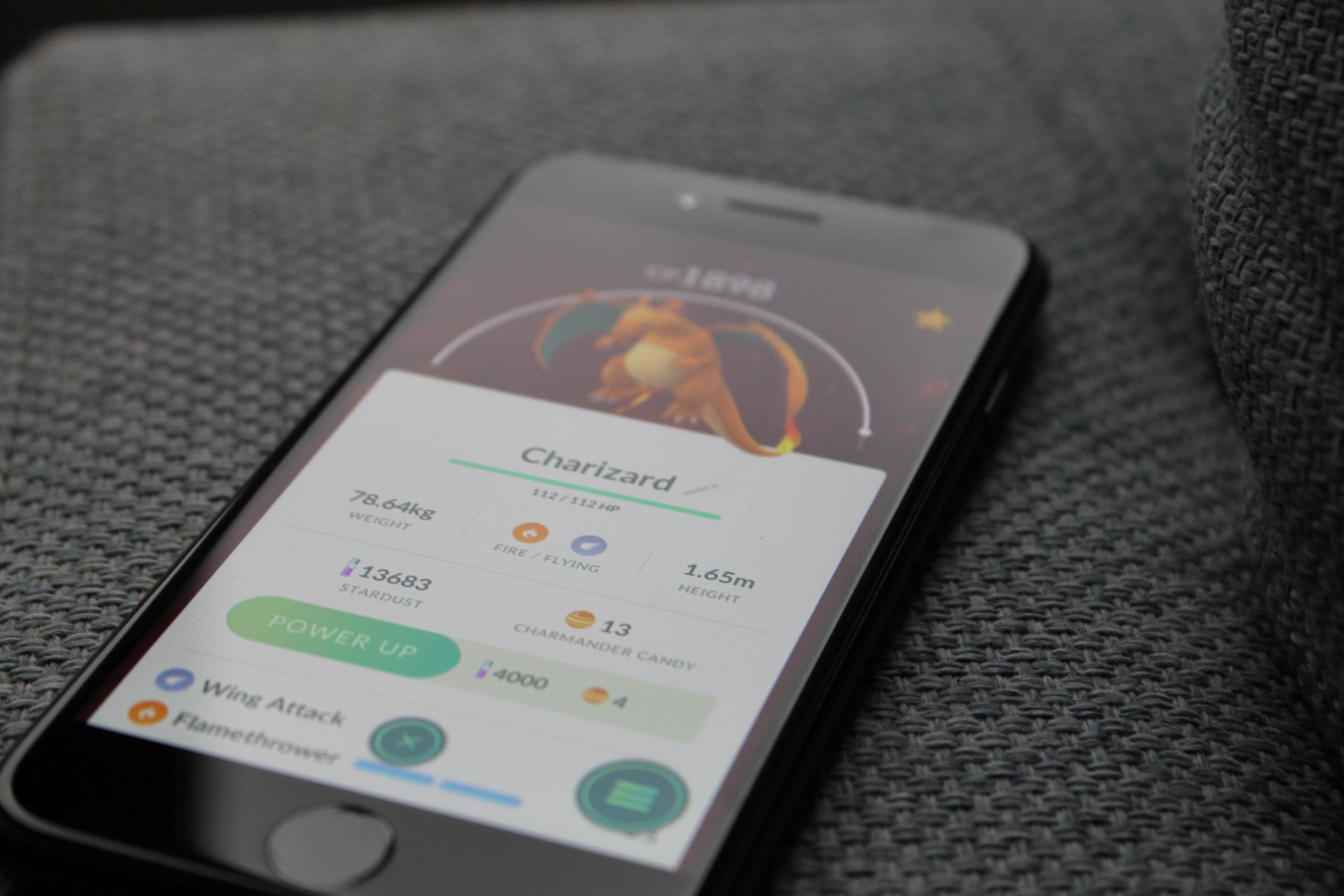
The free-to-play (F2P) gaming market is a colossal industry, far surpassing the traditional premium game model in revenue. With a staggering worth of $98 billion and an impressive 10% increase in 2020 alone, F2P isn't just a niche; it's the dominant force in digital entertainment. The Asian market, led by giants like Tencent, accounts for a massive 58% of these earnings, demonstrating the global power of microtransaction-fueled titles. In fact, in 2020, the 5th highest-earning F2P game, Pokémon Go, outstripped the revenue of the top-earning premium game, Call of Duty: Modern Warfare. This incredible success isn't accidental; it's the result of meticulously crafted game economies, where in-game currencies play a pivotal role in driving both player engagement and sustained revenue.
The Lifeblood of the F2P Economy: Why Currencies Matter
At the heart of every thriving F2P title lies a sophisticated and balanced free to play game economy design. Currencies are not mere tokens; they are the gears of this economy, dictating player progression, reward loops, and ultimately, monetization potential. A poorly implemented currency system can doom a game, leading to player frustration and early abandonment. The challenge lies in striking a delicate balance:
- Too Difficult to Earn: If the grind for in-game currency is excessive, players quickly become disheartened. The effort invested far outweighs the perceived rewards, leading them to seek greener pastures among the vast array of competitors. This high barrier to entry can stifle engagement and prevent players from forming a lasting connection with the game.
- Too Easy to Earn: Conversely, an abundance of readily available currency diminishes the value of in-game items and rewards. When everything is easily obtainable, the sense of achievement fades, and the gameplay experience quickly becomes boring, much like playing a game in "god mode." This also significantly reduces the incentive for players to make real-money purchases, undermining the game's revenue model.
The goal is to create a dynamic system where earning and spending feel meaningful, driving both short-term gratification and long-term retention. Most successful F2P games achieve this by leveraging more than one type of currency, broadly categorized into soft and hard (or premium) currencies.
Soft Currencies: The Engine of Core Gameplay and Engagement
Soft currencies are the foundational resource in any F2P game. They are primarily earned through organic in-game activities, such as completing quests, winning battles, gathering resources, or participating in events. Think of them as the everyday money players use to interact with the game world.
Key Characteristics and Design Principles:
- Ubiquitous and Versatile: Players should spend soft currencies on a wide array of items, including upgrades for characters or equipment, consumables (potions, boosts), essential cosmetics, and progression-critical resources. This broad utility ensures that players always have a reason to earn and spend.
- The "Intended Grind": While soft currencies should be consistently earnable, the more valuable items or significant upgrades should require a deliberate, albeit achievable, period of "grind." This encourages sustained engagement and provides a sense of accomplishment upon reaching a goal. The key here is that these items should not be mechanically impossible to obtain without spending real money.
- Driving Engagement, Not Direct Revenue: Soft currencies rarely generate direct revenue. Instead, their primary purpose is to habituate players to the act of spending within the game's ecosystem. They are core to the gameplay loop, motivating players to log in daily, participate in activities, and ultimately, remain invested in the game's long-term progression. By getting players accustomed to spending their earned resources, developers subtly pave the way for potential future real-money purchases.
Effective free to play game economy design ensures that soft currency sinks are diverse and compelling, providing players with constant goals and choices that keep them playing.
Hard (Premium) Currencies: The Direct Revenue Driver
Hard, or premium, currencies are the direct connection between real-world money and in-game value. These are typically purchased with cash and offer players advantages, convenience, or exclusive content that significantly enhances their gameplay experience.
Key Characteristics and Design Principles:
- Direct Purchase: Premium currencies are bought using real money, often in bundles that offer better value for larger purchases. This is the primary monetization engine for most F2P titles.
- Diverse Application: The utility of premium currencies varies based on the game's design. In many games, they can be used to:
- Purchase powerful upgrades or rare items that provide a significant gameplay advantage.
- Instantly complete tasks, bypass timers, or accelerate progression, offering a "time-saver" option.
- Acquire exclusive cosmetic items, unique characters, or special battle passes that signify status and personal expression.
- Unlock content that might otherwise be gated by a lengthy soft currency grind.
- Ethical Boundaries: A critical aspect of premium currency design is understanding what should not be locked behind a paywall. Developers must avoid locking narrative advancement or core, non-competitive gameplay behind real-money transactions. Doing so can severely alienate players, leading to accusations of "pay-to-win" or exploitative practices, and ultimately harming player retention and community goodwill. The goal is to offer valuable enhancements, not to sell access to the fundamental game experience.
- Clear Value Proposition: Players need to perceive genuine value in their premium currency purchases. Whether it's convenience, power, or aesthetics, the benefit must feel substantial enough to justify the real-world investment.
Striking the Balance: Player Experience vs. Profitability
The ultimate success of any F2P title hinges on its ability to harmoniously blend player satisfaction with sustained profitability. This isn't merely about throwing microtransactions into a game; it requires a sophisticated free to play game economy design that offers genuine value to players while ensuring a continuous revenue stream for the developers.
There's a constant tension between driving engagement and extracting revenue. Some critics argue that the industry risks "a dangerous shift away from creativity toward extraction - a slow march backwards into an era where engagement metrics outweigh meaningful experiences." A well-designed currency system actively combats this by:
- Valuing Player Time: Soft currencies respect the time players invest, allowing them to progress meaningfully without spending. This builds trust and loyalty.
- Offering Meaningful Choice: Premium currencies offer players choices – to accelerate, customize, or gain an edge – without forcing them into purchases. The distinction between "pay for convenience" and "pay to win" is critical here.
- Adaptive Design: Effective F2P economies are not static. They constantly adapt based on player feedback, analytics, and market trends. Developers must monitor currency inflows and outflows, item popularity, and player spending patterns to make informed adjustments. This might involve tweaking earning rates, introducing new currency sinks, or offering new premium bundles.
For more detailed strategies on building a robust system, you can explore insights on Crafting a Profitable F2P Game Economy: Value & Revenue.
Advanced Strategies for F2P Currency Design
Beyond the basic soft and hard currency dichotomy, advanced free to play game economy design incorporates several nuanced strategies to optimize player engagement and revenue:
- Layered Currencies: Many games introduce multiple tiers or specialized currencies (e.g., event-specific tokens, guild currency, arena points). These add depth, create unique reward loops, and encourage participation in diverse game modes, preventing currency inflation in the main economy.
- Scarcity and Time-Gating: Strategic scarcity of certain resources or time-gated content can increase the perceived value of premium currency. Players might be willing to pay to bypass wait times for essential upgrades or to acquire limited-time event items.
- Bundling and Promotions: Packaging premium currency with desirable items or offering temporary discounts can significantly boost sales. The psychological effect of a "deal" or a "limited-time offer" can be a powerful motivator.
- Analytics-Driven Balancing: Continuous monitoring of player behavior is paramount. A/B testing different currency earning rates, shop prices, and bundle offerings allows developers to refine their economy for optimal performance without alienating the player base.
- Virtual Goods as Status Symbols: Exclusive cosmetic items purchasable with hard currency serve as status symbols, driving social prestige and desire among players. This taps into social dynamics within the game community.
In conclusion, the immense success of the F2P market is a testament to the power of sophisticated game economy design. At its core, mastering in-game currencies—balancing the accessible soft currencies with the revenue-generating hard currencies—is non-negotiable. It's a delicate dance between fostering deep player engagement through meaningful progression and ensuring a sustainable, profitable business model. Developers who prioritize player value while strategically implementing their currency systems are the ones who will continue to thrive in this competitive and ever-evolving landscape of free to play game economy design.